
Understanding the Consequences of a Protection Visa Refusal or Cancellation
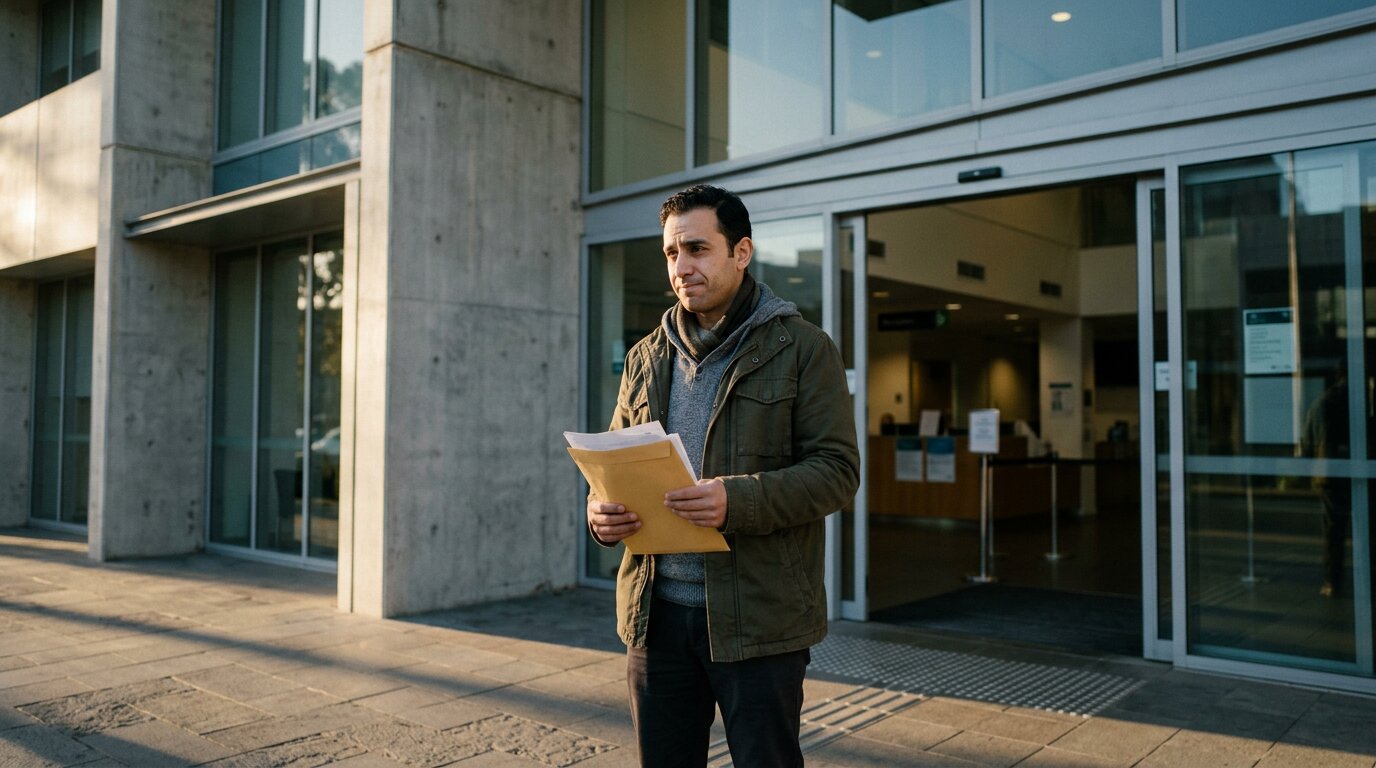
If your protection visa application gets refused or canceled, you’re suddenly facing a host of challenges that can affect every part of your life in Australia. You might lose your right to stay, worry about your future plans, or even wonder what happens next for your family. Before you take your next steps, it’s vital to understand the risks and know what options are available—sometimes those details make all the difference.
Key Eligibility Criteria for a Protection Visa
To be eligible for a Protection visa (subclass 866), applicants must effectively establish a legitimate fear of persecution in their home country. This persecution must relate to specific grounds, including race, religion, nationality, political opinion, or membership in a particular social group.
It is essential to note that applications must be submitted while the individual is physically present in Australia, as the Australian Department of Home Affairs does not accept applications from outside the country.
The application process necessitates the provision of credible evidence to support claims of persecution and adherence to established criteria. Importantly, individuals who have experienced a refusal of immigration clearance or currently hold a visitor, student, or temporary visa retain the right to apply for a Protection visa.
Non-compliance with these requirements can result in application refusal, which may have significant consequences, including implications for an individual’s future residency status, family situation, personal privacy, and rights to work in Australia.
Thus, understanding and meeting the eligibility criteria is crucial for those seeking protection under this visa subclass.
Risks Associated with Ineligible Protection Visa Applications
Submitting a Protection visa application in Australia without meeting the established eligibility requirements can lead to significant consequences. If the application does not satisfy the necessary criteria, the Australian Department of Home Affairs is likely to refuse it.
A refusal is recorded in your immigration history, which can adversely affect your privacy and may impact your or your family’s ability to apply for other visa types, such as visitor, student, or temporary visas (subclass).
Additionally, a refused Protection visa application may limit your options for employment or residency, complicating your integration into the community and diminishing your prospects within alternative immigration pathways.
Given these potential outcomes, it is advisable to seek professional advice prior to initiating a search or submitting an application. This step can help ensure that your case is evaluated accurately and that you fully understand the implications of your application.
Lasting Impacts of a Protection Visa Refusal
When the Department of Home Affairs refuses an application for a Protection visa (subclass 866), it results in a permanent record of that decision, which can significantly impact future immigration options in Australia.
Following a refusal, individuals are typically barred from applying for most other visa categories, as well as Popular Schemes, which limits their ability to seek employment and access community support services.
In addition to the direct consequences for the individual, a protection visa refusal can adversely affect family members as well.
If family members seek to visit Australia, apply for student visas, or pursue temporary visas, their applications may be subject to enhanced scrutiny, thereby increasing the likelihood of further refusals, making it crucial for them to apply for a Protection Visa in Australia.
The ramifications of a protection visa refusal are long-lasting and can affect both privacy and future planning.
Consequently, it is advisable for those in such situations to seek professional legal assistance to navigate the complexities of immigration law and explore potential pathways forward.
Understanding the Visa Cancellation Process
The visa cancellation process, particularly concerning protection visas, involves a structured framework established by the Department of Home Affairs.
Understanding the specific criteria associated with your visa subclass is essential, as failing to meet these criteria may lead to refusal or cancellation of your visa.
Notifications regarding the risk of cancellation are typically communicated via email or traditional mail and will detail the reasons for the potential decision, regardless of whether your visa is related to student, visitor, or temporary status.
In the event of a visa refusal, individuals will forfeit their right to remain in Australia, which subsequently affects their ability to work and may have implications for their family’s privacy.
Moreover, a refusal or cancellation can complicate future applications for visas to Australia.
Therefore, it is advisable to seek legal counsel to navigate the complexities of the process and to understand the potential consequences thoroughly.
Legal guidance can also assist in identifying the most effective strategies for addressing any issues that may arise during the visa cancellation process.
Steps to Take Following a Refusal or Cancellation
Upon receiving a notification regarding the refusal or cancellation of a protection visa, it is essential to respond without delay to explore available options.
Begin by thoroughly examining the communication from the Australian Department of Home Affairs to understand the specific grounds for the decision. It is crucial to adhere to the stringent deadlines for lodging an appeal with the Administrative Appeals Tribunal, as failure to do so may preclude further remedy.
Gather any relevant documentation that can address the shortcomings identified in your initial application.
It is also important to consider the implications of this decision on your personal circumstances, including the potential impact on your family, employment, and residency status in Australia, whether as a visitor, student, or temporary resident. Non-compliance with visa criteria can have significant repercussions on your ability to secure future travel or residency in Australia.
Carefully weigh the potential outcomes and consequences of your next steps before proceeding with any course of action.
This measured approach will enable you to make informed decisions regarding your situation.
Accessing Trusted Resources and Professional Support
A sound strategy for navigating the consequences of a protection visa refusal or cancellation consists of seeking reliable information and professional assistance. It is essential to confirm all relevant details with the Australian Department of Home Affairs to fully understand the implications of your visa status while adhering to privacy regulations.
Engaging with immigration specialists knowledgeable in Protection visa (subclass) applications can be beneficial. They can assist in exploring alternative options, such as pathways for residency, work opportunities, or applying for visas under other categories, including visitor or student visas.
Additionally, consider utilizing reputable community resources, examining client experiences, and participating in informational seminars to gather insights. Legal professionals can provide valuable guidance for you and your family regarding possible future actions.
It is important to take proactive measures to strengthen your application and reduce the risk of further refusals should you wish to travel to Australia in the future.
Conclusion
If your protection visa has been refused or canceled, it's important to understand the consequences and act quickly. Your future in Australia depends on timely appeals, accessing legal advice, and seeking help from trusted organizations. Take every opportunity to present your case clearly and gather strong evidence. Staying informed and supported can make a difference in navigating these challenges, protecting your rights, and planning your next steps forward for you and your loved ones.